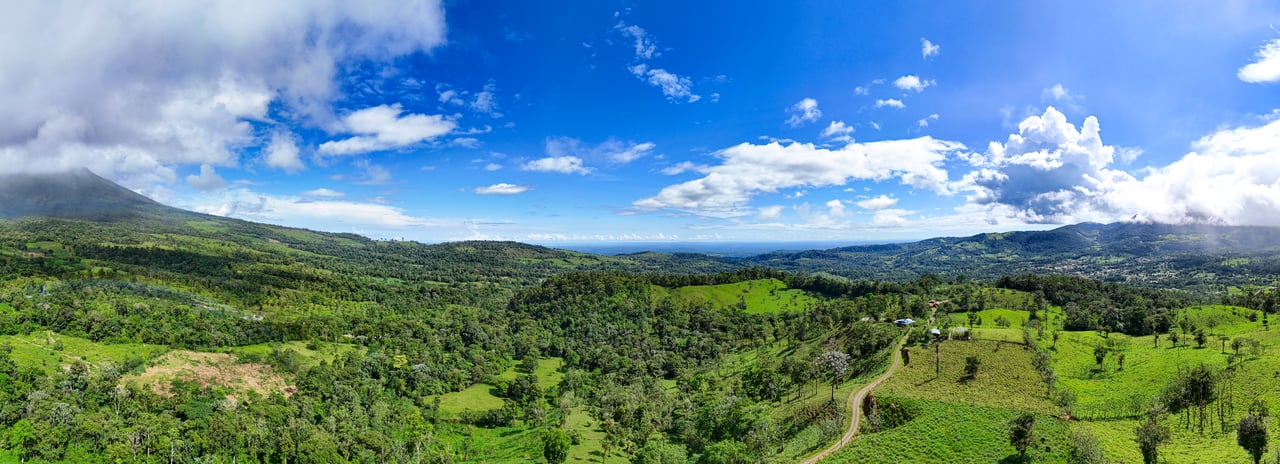
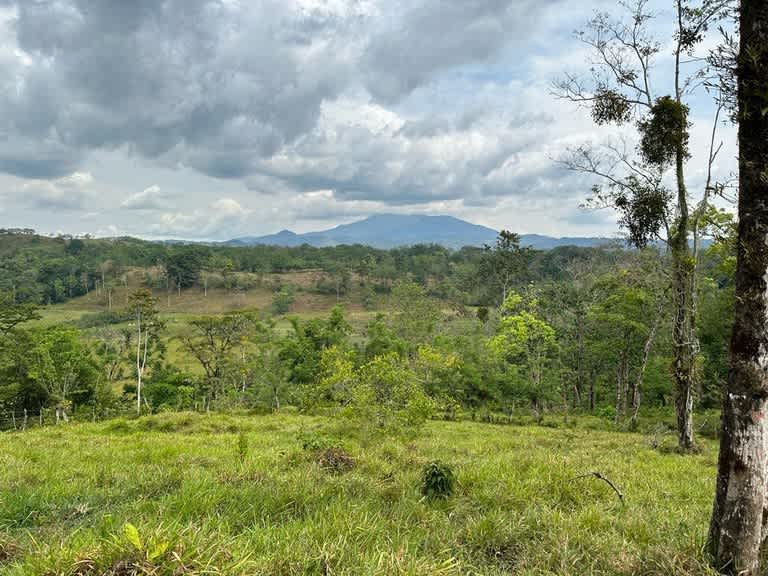
NORTHERN COSTA RICA'S RAINFOREST INTERIOR — FINCAS, ECO-LAND, AND COOL MOUNTAIN ACREAGE NEAR RÍO CELESTE AND TENORIO VOLCANO.
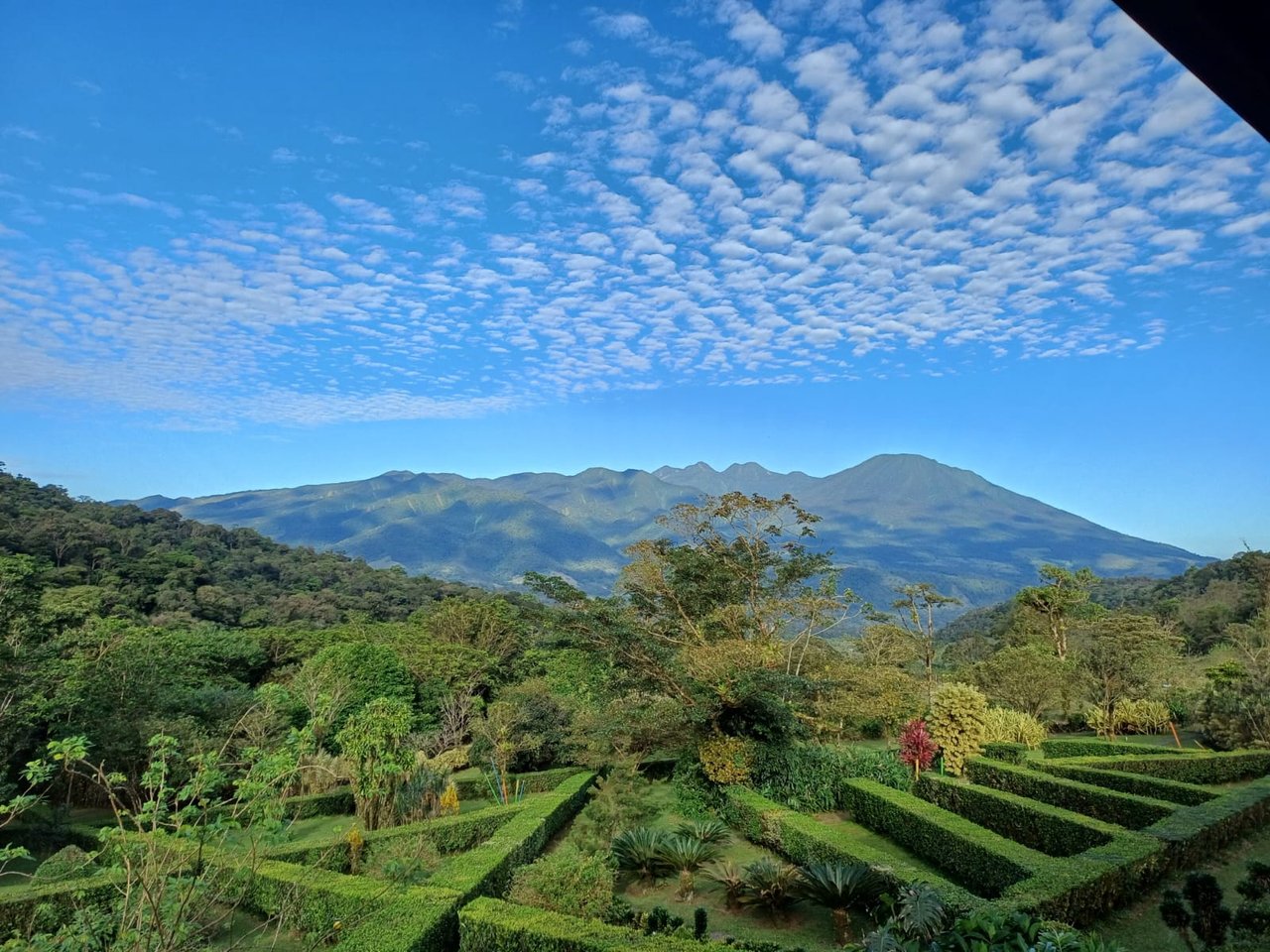
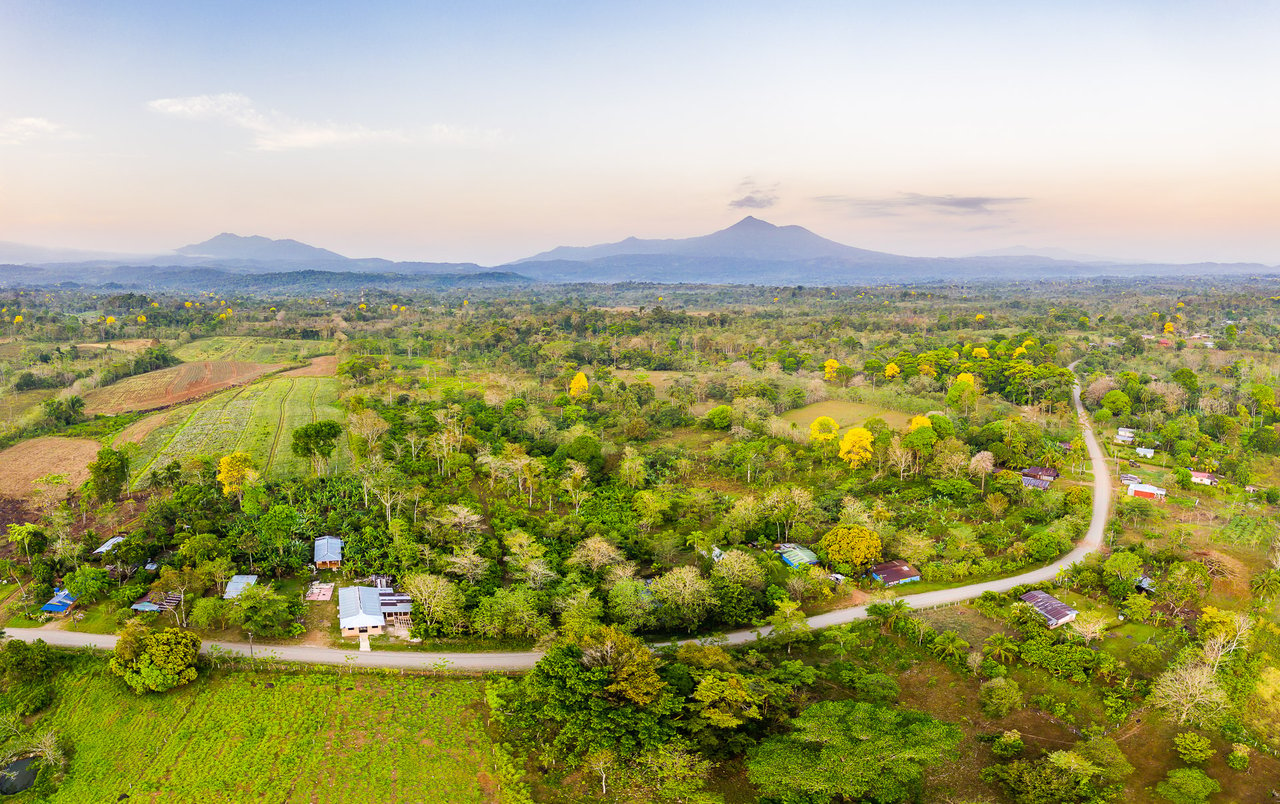
Bijagua and Upala sit inland, in northern Costa Rica between the Tenorio and Miravalles volcanoes — a green, mountainous world away from the Guanacaste coast and the kind of place buyers seek out for exactly that reason. This is the gateway to Río Celeste, the surreal turquoise river inside Tenorio Volcano National Park, and one of the country’s most respected centers of community-based, sustainable tourism. The market here is not beachfront condos and gated golf communities; it is land — rainforest fincas, working farms, mountain acreage, and eco-lodge sites — priced at a fraction of the coast. For buyers drawn to conservation, agriculture, birdsong over surf, and a cooler, lusher climate, Bijagua and Upala offer something the Gold Coast cannot. We increasingly see a particular kind of buyer here: owners who already have a home on the coast and want a small second place in the mountains — somewhere greener and noticeably cooler to escape the heat and dry season of Guanacaste’s beaches.
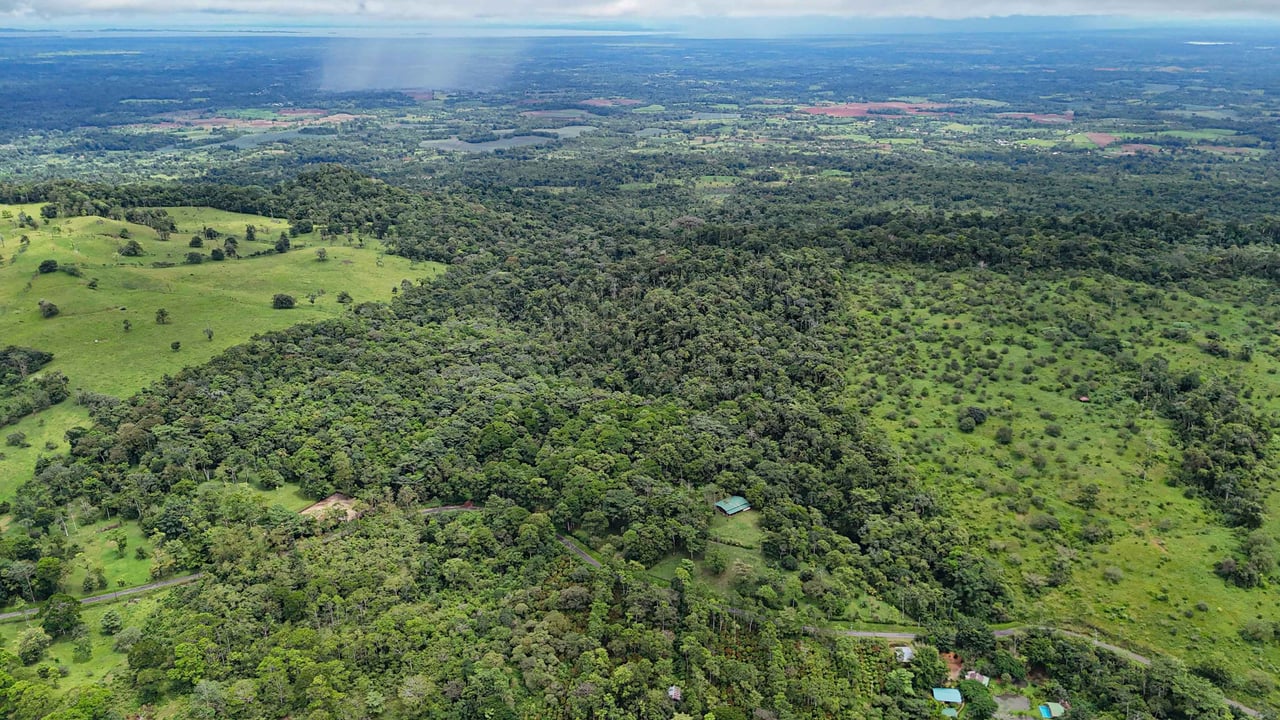
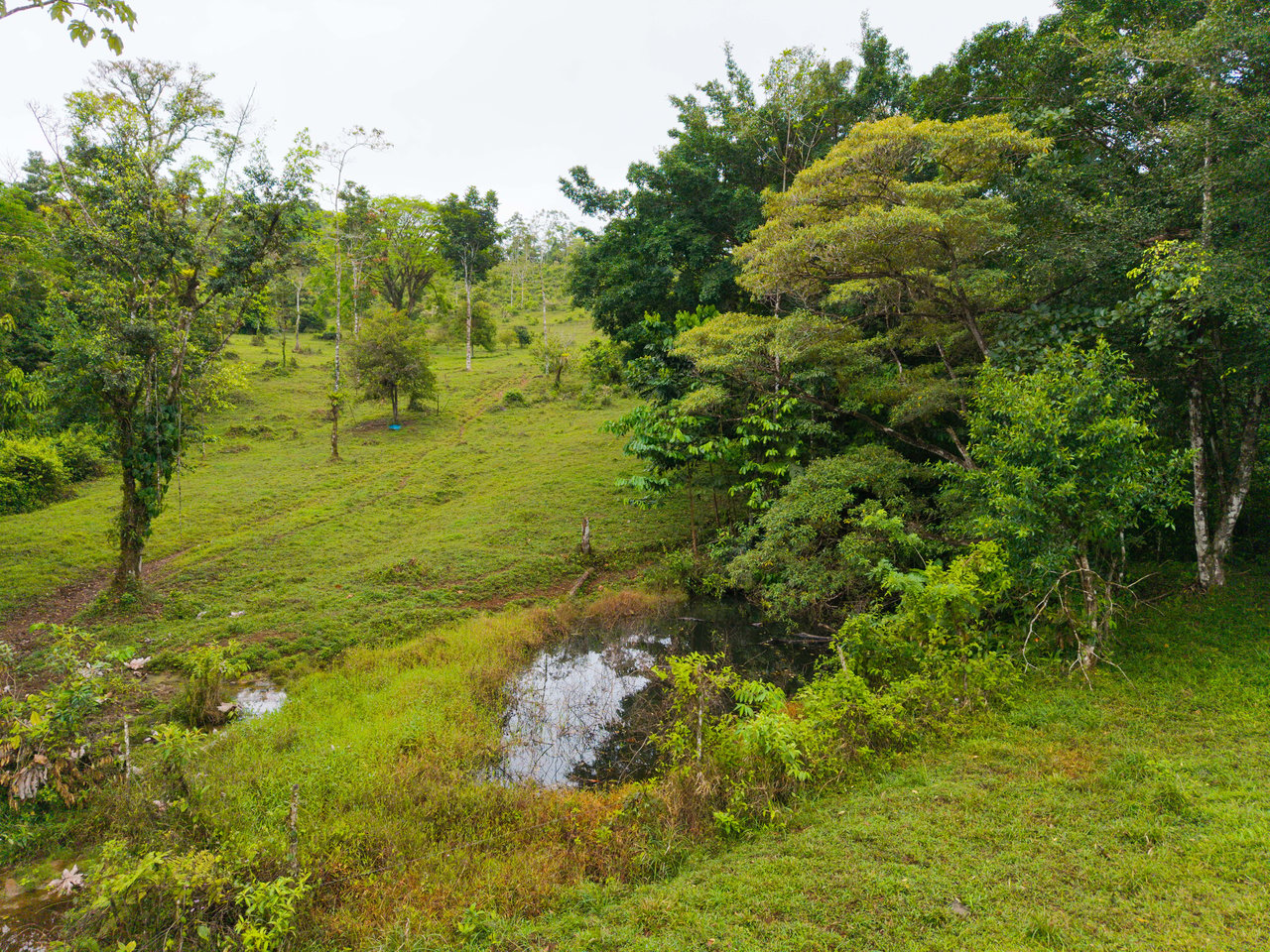
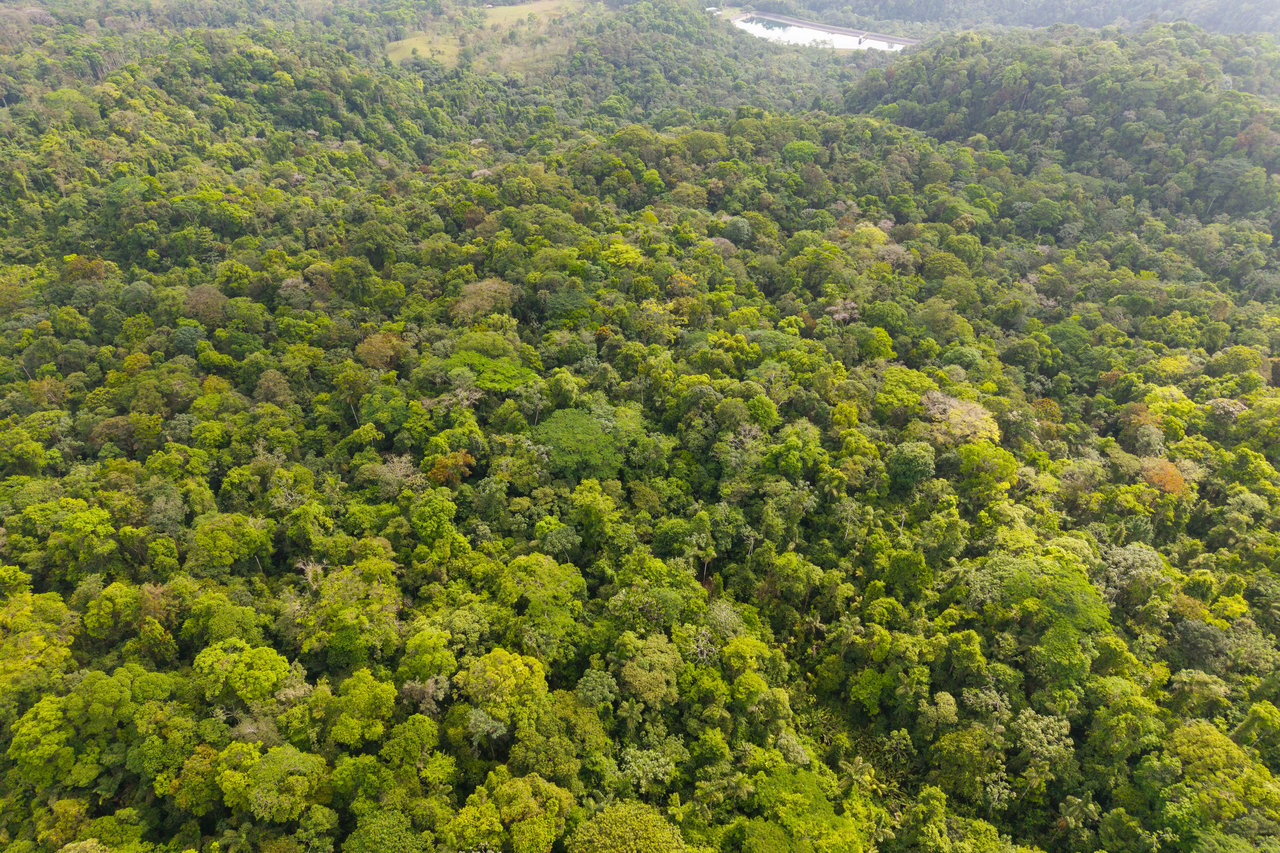
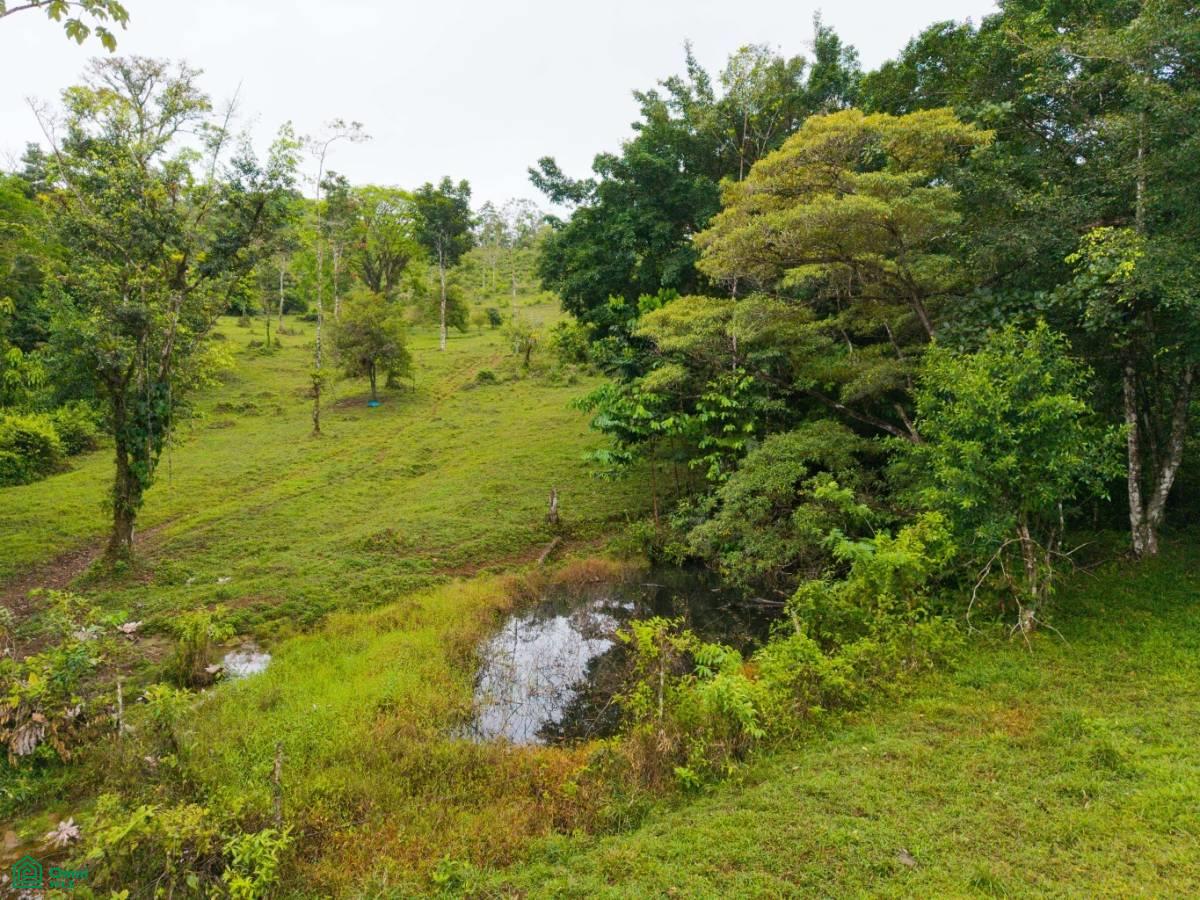
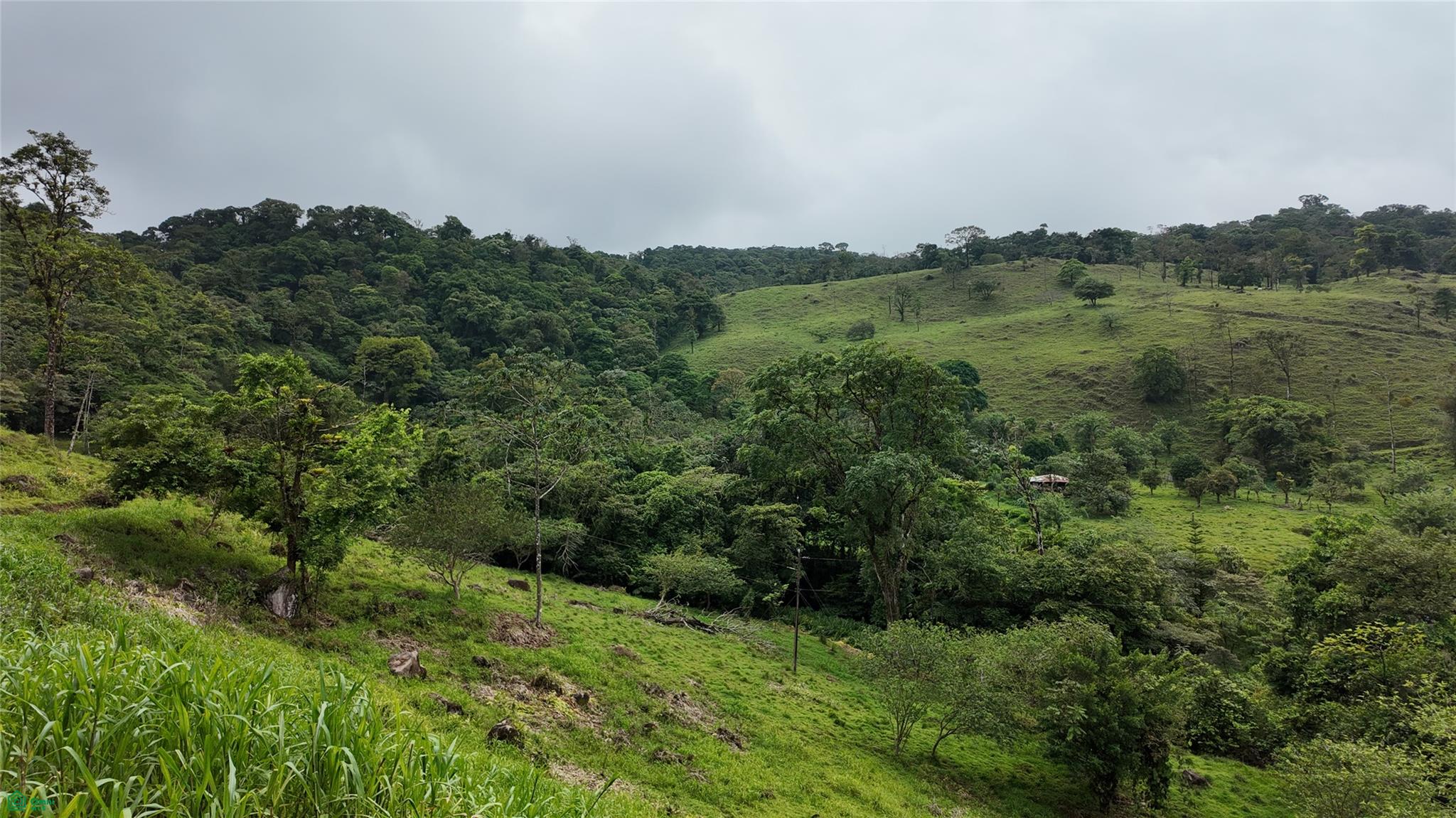
It is worth being clear about what this area is. Bijagua and Upala are not a resort market. You will not find master-planned gated communities, beach clubs, or international schools here — and that absence is precisely what draws the buyers who choose it. What you will find is some of the most biodiverse private land in Costa Rica: primary and secondary rainforest, river frontage, pasture and productive farmland, all at prices that would be unthinkable on the coast. This is a market for buyers who want acreage, an eco-project, a farm, or a quiet mountain retreat, and who are prepared to do the more careful due diligence that rural Costa Rican land requires.
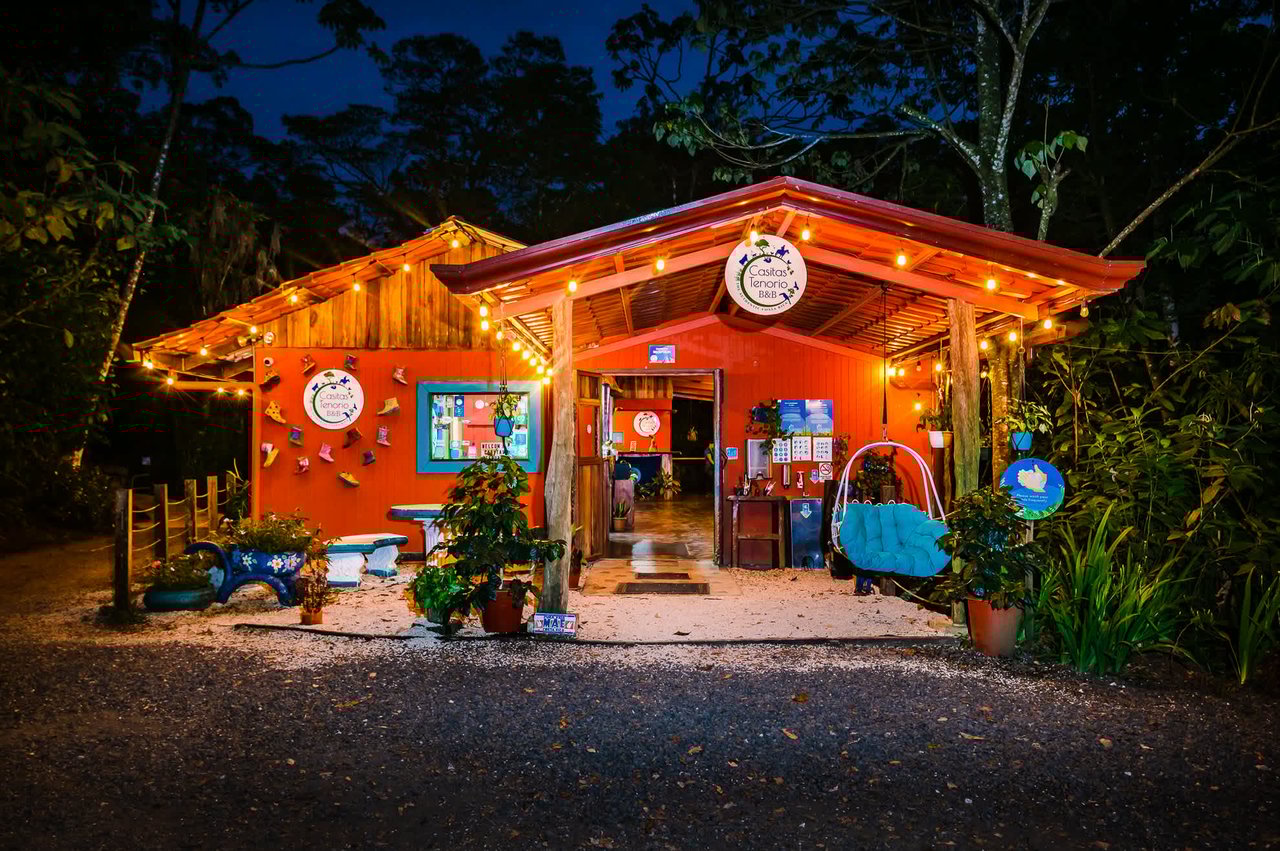
Bijagua is the gateway to Tenorio Volcano National Park and Río Celeste, whose waterfall and milky-blue river are among the most photographed natural sights in the country — the color a genuine optical effect of mineral particles where two rivers meet. The town has built a thoughtful eco-tourism economy around that draw: small eco-lodges, birdwatching, horseback and farm tours, and a conservation ethic embodied by nearby reserves such as Tapir Valley, which protects the rare Central American tapir. The wildlife is extraordinary — sloths, toucans, monkeys, and hundreds of bird species. Upala, to the north, is a lowland agricultural hub: cattle, sugar cane, citrus, cacao, and pineapple country, more working town than tourism town. Together they offer a rural, nature-first life in a cooler, wetter, greener setting than the coast.
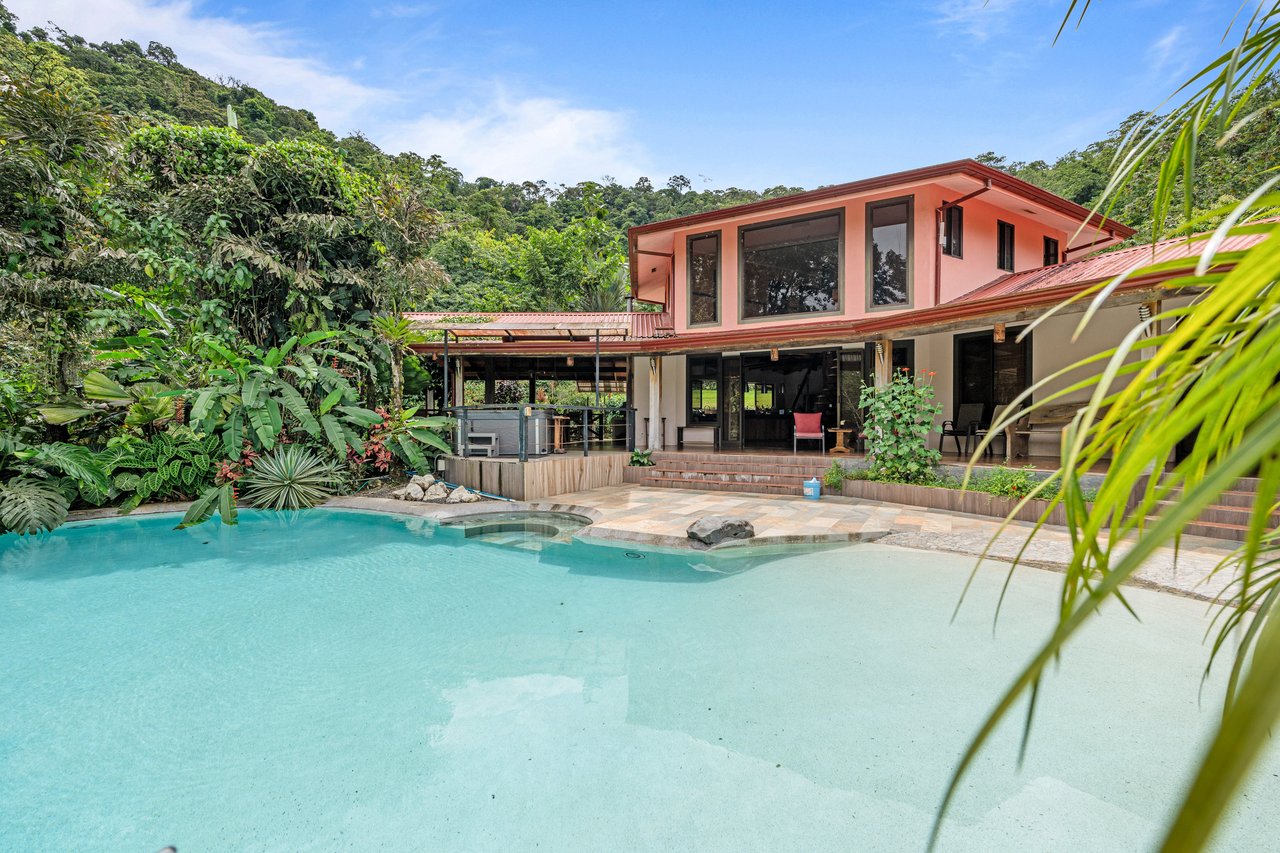
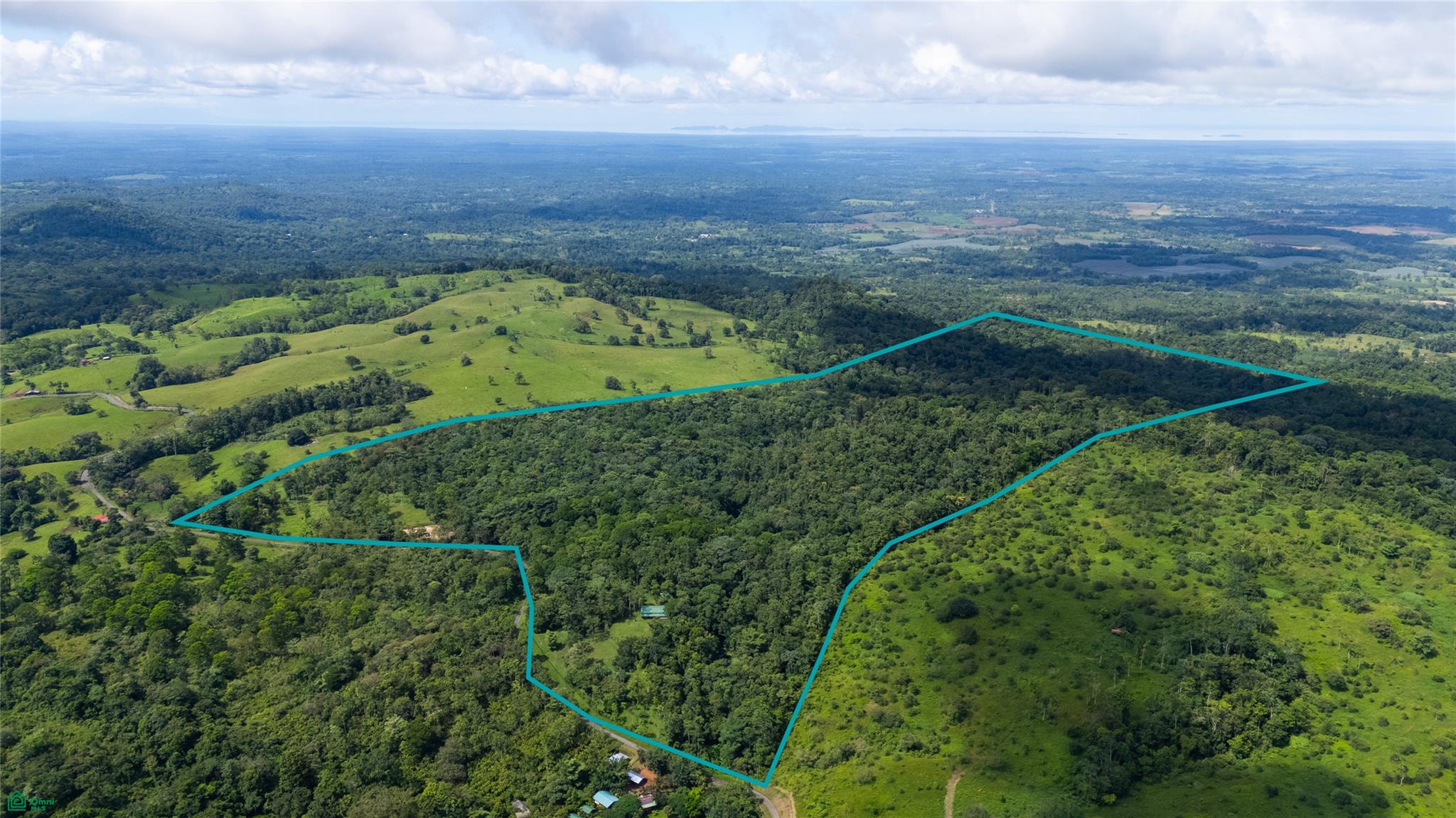
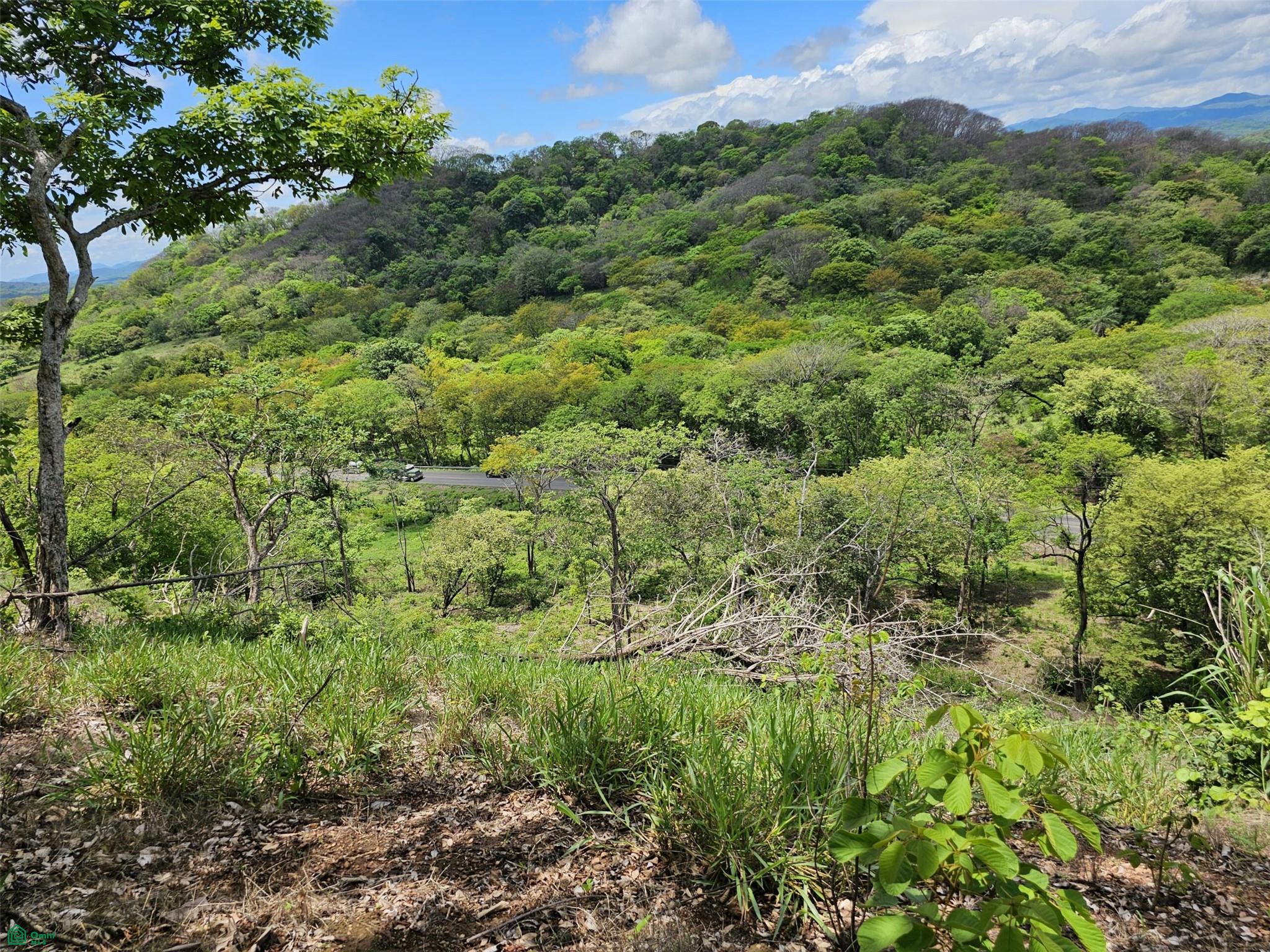
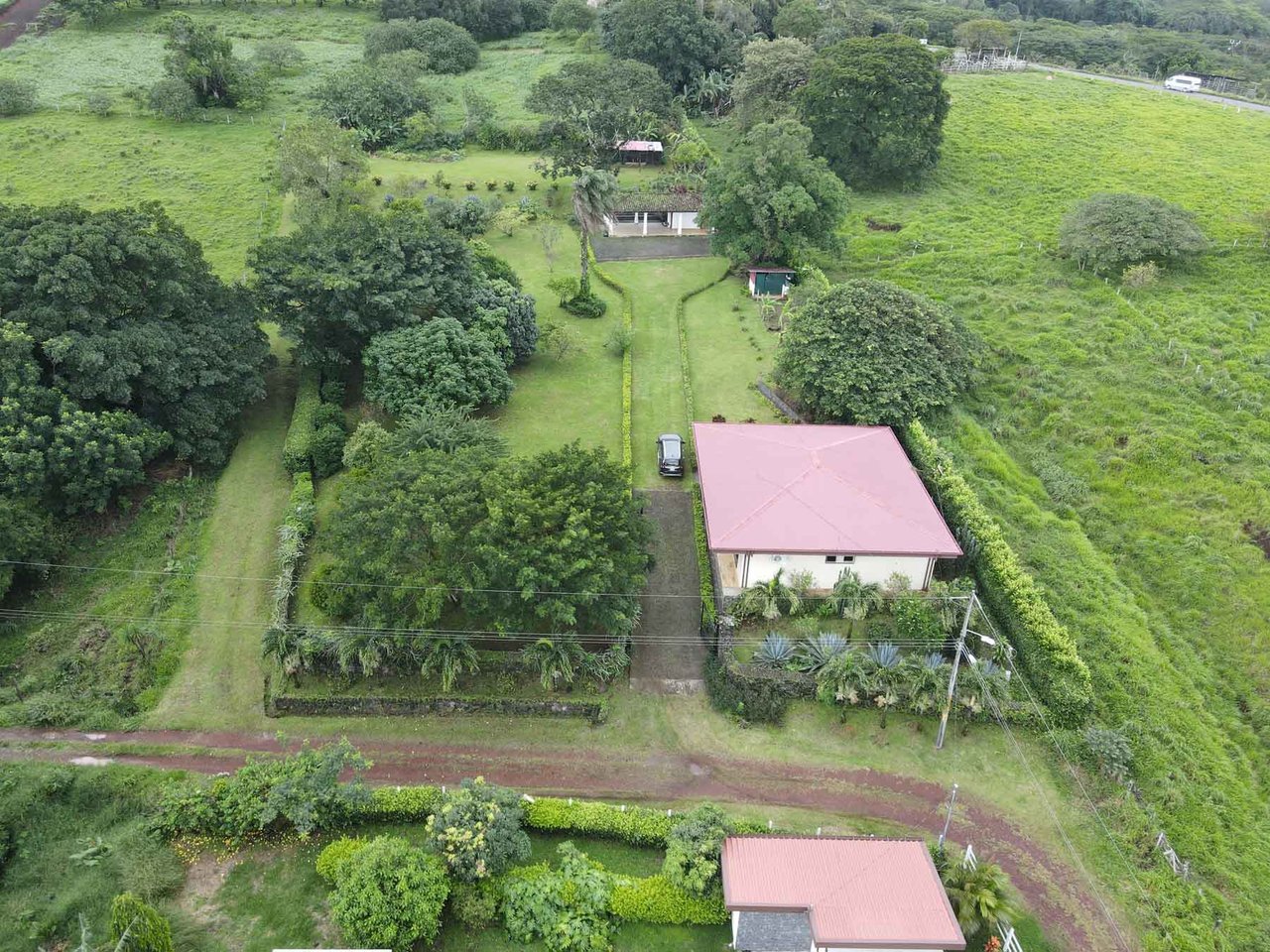
Unlike the Gold Coast, Bijagua and Upala have no master-planned gated communities. The inventory is individually held land and homes: rainforest fincas, working farms with houses and outbuildings, mountain and cloud-forest lots, river-frontage parcels, and the occasional eco-lodge or rural home. Buyers here are typically assembling something — a farm, a conservation property, an eco-tourism venture, or a private retreat — rather than buying into a community with shared amenities. We think that is a feature, not a gap, but it is important to set the expectation honestly.
There are no international or bilingual private schools in the Bijagua–Upala area. Families here rely on the local Costa Rican public (MEP) schools, and relocating families who require an international curriculum would need to consider homeschooling or look well outside the region. This is an honest and important consideration for anyone moving with school-age children, and one we will talk through candidly rather than gloss over.
Because the market is thin and every property is individually priced, ranges are less useful here than examples. As a rough sense of the market: small roadside parcels and modest farms near Río Celeste have come available from the low six figures; mid-size rainforest-and-pasture fincas with a house or two run into the mid-to-high six figures; and large primary-forest tracts — dozens to hundreds of hectares, suited to conservation or eco-tourism — are priced individually and can reach well beyond that. The common thread is value: the same budget that buys a one-bedroom condo on the coast can buy substantial acreage here. Your KRAIN agent can show what is currently available and what it realistically costs to develop.
Rural Costa Rican land rewards careful buyers and punishes careless ones, so a few points deserve emphasis:
Bijagua is roughly 1.5 to 2 hours from Liberia International Airport (LIR) and about 3 to 4 hours from San José (SJO); La Fortuna and Arenal are about two hours east. The drive is mostly paved, with a curvier final stretch into the mountains. It is inland and rural by design — part of what keeps it quiet, green, and affordable.
We have worked across Costa Rica since 2013, led by an American attorney turned realtor — and nowhere does that legal grounding matter more than in a rural land purchase, where title, water, and environmental rules decide whether a property is a sound investment or a liability. We will do the careful, unglamorous diligence this market demands, and we will be candid about what we find. As always, confirm anything binding — title status, water concessions, environmental overlays — with your attorney and contador before you commit. KRAIN is the exclusive Costa Rica affiliate of Mayfair International Realty and a member of Leading Real Estate Companies of the World.
They sit inland in northern Costa Rica, in Alajuela province near the Guanacaste border, between the Tenorio and Miravalles volcanoes. Bijagua is roughly 1.5 to 2 hours from Liberia International Airport (LIR) and 3 to 4 hours from San José (SJO), with La Fortuna and Arenal about two hours east. The drive is mostly paved, with a curvier final stretch into the mountains.
Yes — foreigners can own fee-simple (titled) land outright, with the same rights as citizens. Rural land rewards careful buyers, so four checks matter above all: whether the parcel is properly titled rather than held as possession rights (derecho de posesión, which is riskier and harder to finance); registered water rights (an AyA or ASADA availability letter, or a registered well concession); environmental and forest-zone restrictions near the protected areas; and legal, year-round road access and electricity. We verify each one and recommend confirming anything binding with your attorney.
This is a land-and-farm market: rainforest fincas, working farms, mountain and river-frontage parcels, and the occasional eco-lodge or rural home. There are no master-planned gated communities and no international or bilingual private schools — families rely on local public (MEP) schools. Buyers who need those amenities look to the Gold Coast instead; for the buyers who choose Bijagua, that absence is precisely the appeal.