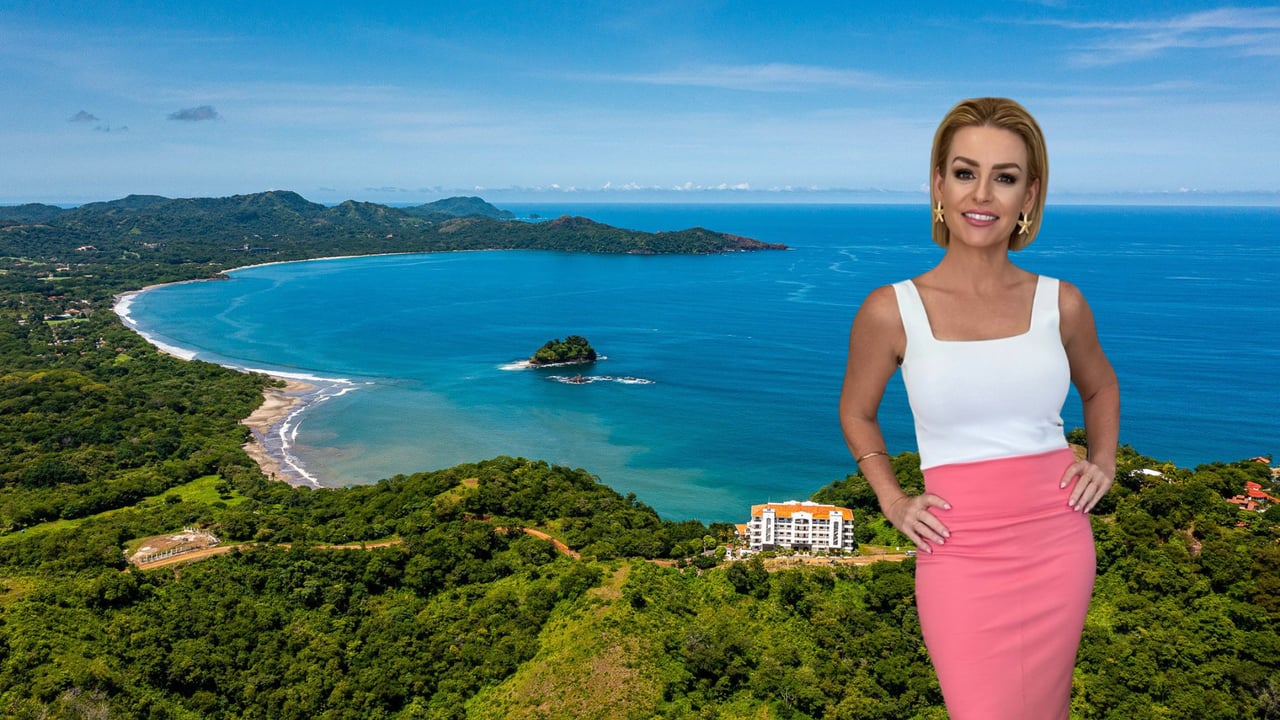
After 13 years selling real estate in Guanacaste — and a prior career as a U.S. attorney — I've watched the same handful of avoidable mistakes trip up buyer after buyer. They're almost never careless people. They're smart, successful buyers who simply assume Costa Rica works the way real estate works back home.
Most of the time, it does. But the few places where it doesn't are exactly where deals go sideways, money gets lost, and dream purchases turn stressful.
The good news: every one of these is completely avoidable with the right knowledge and the right team in your corner. Here are the seven I see most — roughly in the order you'll encounter them, from the day you start your search to the day you close.
• • •
Mistake 1 — Working With Multiple Agents Instead of One
Back home, buyers are used to a centralized MLS where almost any agent can show them almost anything, so contacting several agents at once to "see more" feels logical. In Costa Rica, that instinct works against you.
There's no single, unified MLS here the way there is in the U.S. Inventory is fragmented across agencies, and there can be meaningful off-market properties — pocket listings, or homes shared quietly agent-to-agent — that you'd never come across on your own. And here's what most buyers don't realize: this is a small community, and the agents all talk. When you reach out to several of us, we know — and it almost always backfires on the buyer. When you're not devoted to any one agent, no agent can be truly devoted to you. Nobody takes ownership of your search, and properties get missed.
What to do instead: Choose one dedicated agent and commit to them — and they'll commit to you. A strong agent will tap the whole market on your behalf, do the legwork, and make sure nothing slips through the cracks. One relationship, more access, far less hassle.
• • •
Mistake 2 — Not Properly Vetting Your Agent
Here's the single most important structural difference to understand: there is no real estate licensing law in Costa Rica. Anyone can call themselves a realtor. That means the responsibility to vet your agent falls entirely on you — and it matters enormously.
Ask the real questions before you commit:
-
Do they hold licenses or credentials elsewhere (such as the U.S. or Canada), and do they have a genuine professional history behind them?
-
Is the agent or their company SUGEF registered (Costa Rica's financial-compliance registry)?
-
Do they actually work across all the territories you want to explore — or are they trying to pigeonhole you into the one or two beach towns where they happen to hold listings?
Your agent's reach, credentials, and integrity directly determine both the quality and the breadth of what you'll see. In a market with no licensing safety net, who you choose is the most consequential decision you'll make.
• • •
Mistake 3 — Setting Up a Corporation Before You've Chosen a Property
Many buyers read that Costa Rican property is "held in a corporation" and assume step one is forming one before they've even started shopping. Not necessary.
Yes, properties here are commonly held in a corporation (an S.A. or SRL) — but that's a closing mechanism, not a prerequisite to making an offer. Getting your offer accepted and the property under contract comes first. The corporation can be set up quickly during the due-diligence period — often just a day or two before closing — by your Costa Rican attorney. There's no reason to spend the time and money standing up a structure before you even have a property to put in it.
• • •
Mistake 4 — Assuming This Is a Mortgage Market
In North America, financing is the default. In Costa Rica, it's the exception. This is overwhelmingly a cash market.
Local financing does exist — but it's very much the exception to the rule. If you do need financing, tell your agent immediately, because there are steps that have to be taken well in advance of your property search, not after you've found a home. Either way, go in knowing who you're up against: the vast majority of buyers here come in with full cash and no financing contingencies. That clarity from the start is what keeps your offer competitive — which leads directly to the next mistake.
• • •
Mistake 5 — Trying to Use a Home Sale Contingency
This one is a direct consequence of the cash-market reality. Buyers from the U.S. and Canada are used to making an offer contingent on first selling their current home. Here, that contingency essentially does not exist in contracts.
Think about it from the seller's side: they don't know your home, and they don't know your market. Accepting your offer would mean their entire deal hangs on a sale happening thousands of miles away that they can't evaluate or control — far too much risk. Meanwhile, your competition is coming in with cold, hard cash and no strings attached. An offer with a home-sale contingency, set against a clean cash offer, loses every single time.
What to do instead: You have options — just don't make the purchase itself depend on a sale back home. A few worth considering:
-
If you really need to sell first, sell first, then come buy.
-
Look into a home equity line of credit (HELOC) on your existing home to free up cash now.
-
Explore other financing methods available to you — whether back home or locally here in Costa Rica.
• • •
Mistake 6 — Bringing In the Wrong Attorney to Close
Buyers often want to use their trusted attorney from back home, or a general business attorney in San José, to handle the closing. I'm sure those attorneys are excellent in their fields — but closing real estate in Guanacaste is its own specialized world, with its own registries, procedures, municipalities, and local practices.
An attorney who doesn't live and work in that world ends up learning on the job — on your transaction. That means delays, avoidable errors, and frustration for everyone involved. Real estate closings here are not the place for on-the-job training.
What to do instead: Use a Costa Rican attorney who specializes in Guanacaste real estate closings. Every time.
• • •
Mistake 7 — Trusting the Seller's Survey Without Independent Confirmation
Buyers tend to treat a registered survey (plano catastrado) as gospel. Don't.
Costa Rica transitioned its property surveying from the older metes-and-bounds method to GPS satellite measurement. In that shift, many property boundaries changed, moved, or revealed discrepancies — meaning a survey that was perfectly "valid" years ago may not match the GPS reality on the ground today. Even when the seller has a valid survey in hand, we always recommend getting a fresh, independent one.
What to do instead: Order your own current survey, and make sure any boundary corrections are handled before you close — not discovered after the property is already yours.
• • •
The Common Thread
If there's a single thread running through all seven, it's this: the costliest mistakes come from applying a North American playbook to a market that quietly works differently. None of these are hard to avoid — they just require knowing where the differences are before you're standing at the closing table.
With one dedicated, properly vetted agent and a local closing attorney who lives in this market, every one of these mistakes simply disappears. Buying in Costa Rica should feel exciting, not risky — and with the right experience in your corner, it will.
• • •
Thinking About Buying in Costa Rica?
Let's make sure you avoid all seven. Reach out for a no-pressure conversation about what you're looking for — and get a dedicated, credentialed local team in your corner from day one.
• • •
Frequently Asked Questions
Do I need a corporation to buy property in Costa Rica?
Not before you start shopping. Property here is commonly held in a corporation (an S.A. or SRL), but that's part of the closing process — not a prerequisite to making an offer. Your Costa Rican attorney can set it up quickly during due diligence, often just a day or two before closing.
Can I get a mortgage to buy real estate in Costa Rica?
Local financing exists but is the exception, not the rule — Costa Rica is overwhelmingly a cash market. If you need financing, tell your agent at the very start, because the necessary steps have to happen before your property search, not after. Many buyers also use a HELOC on their home back home to free up cash.
Do I need a real estate license to sell property in Costa Rica?
No — and that's exactly why vetting your agent matters so much. There is no real estate licensing law in Costa Rica, so anyone can call themselves a realtor. Look for agents with credentials elsewhere (like the U.S. or Canada), a real professional history, and SUGEF registration.
Should I use my own attorney from back home to close?
No. Closing real estate in Guanacaste is a specialized world with its own registries, municipalities, and procedures. Use a Costa Rican attorney who specializes in Guanacaste real estate closings, not a general business attorney or your trusted lawyer from home.
Is the seller's property survey reliable?
Not always. Costa Rica moved from metes-and-bounds surveying to GPS satellite measurement, and in that shift many boundaries changed or revealed discrepancies. Even with a valid survey in hand, always order your own fresh, independent survey and resolve any boundary issues before closing.
• • •
Fondly, Sarah