Friends and family ask me this constantly: what do I actually need to know before I come? Not the brochure version — the practical stuff. When to book, which airport, whether to rent a car, what nobody tells you until you are already here.
So here it is. These ten tips are drawn from living and working in Guanacaste, Costa Rica’s northwest Pacific province, and most of them apply anywhere in the country. Where something is specific to this region — and a couple of these very much are — I say so.
1. When to Visit
Thanks to its drier climate, there are very few bad times to visit Guanacaste.
High season runs roughly from US Thanksgiving at the end of November through Easter in April. That is when visitors from the US and Canada are escaping the snow, and it is also the dry season here — clear skies, almost no rain, reliable sun.
But May, June, July and August are beautiful months and some of my personal favorites. Everything is lush and green, the crowds thin out, and you still get plenty of sun between showers.
The two months I would genuinely steer you away from are September and October. Those are the true rainy months here. If you live in Costa Rica, you do not mind them. But if you are spending precious vacation days and precious family time, it can rain heavily enough to reshape your plans.
Worth understanding: this is a Guanacaste pattern, not a national one. Other parts of Costa Rica can see rain nearly every day for six months straight. Guanacaste’s dry-forest climate is why the season here is so much shorter and so much more forgiving.
2. Fly Into Liberia, Not San José
Fly into Liberia International Airport — airport code LIR on the booking platforms.
You will look at flights and notice that San José is cheaper. It is. There is a reason. San José is a four to four-and-a-half hour drive from the Guanacaste beaches. In my opinion, that is not worth the savings.
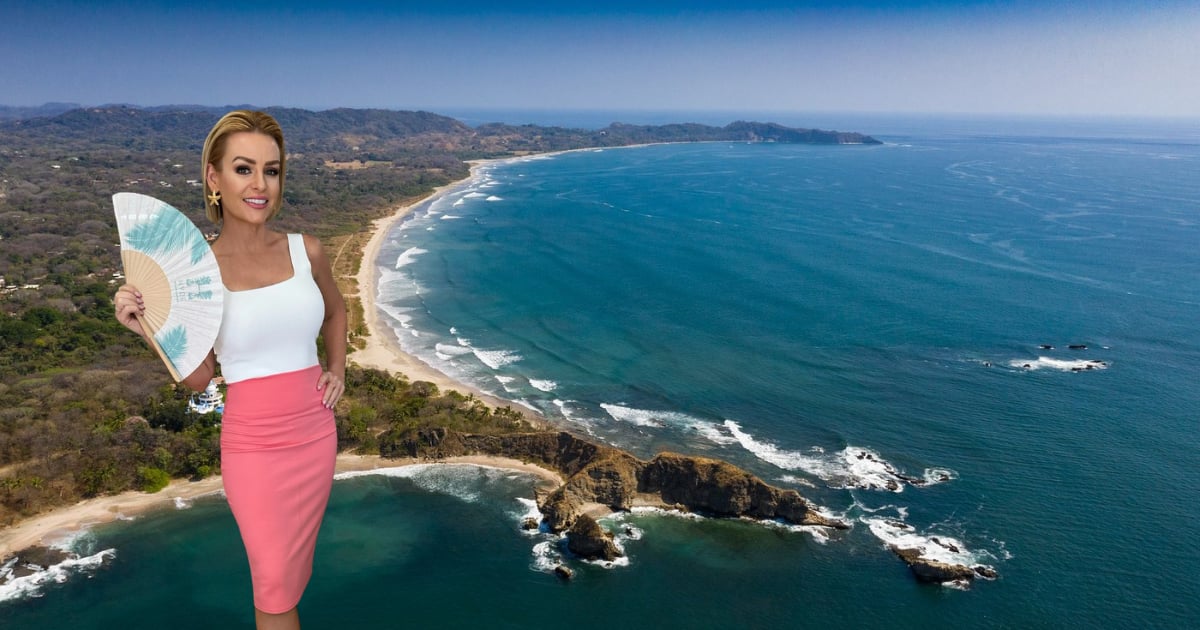
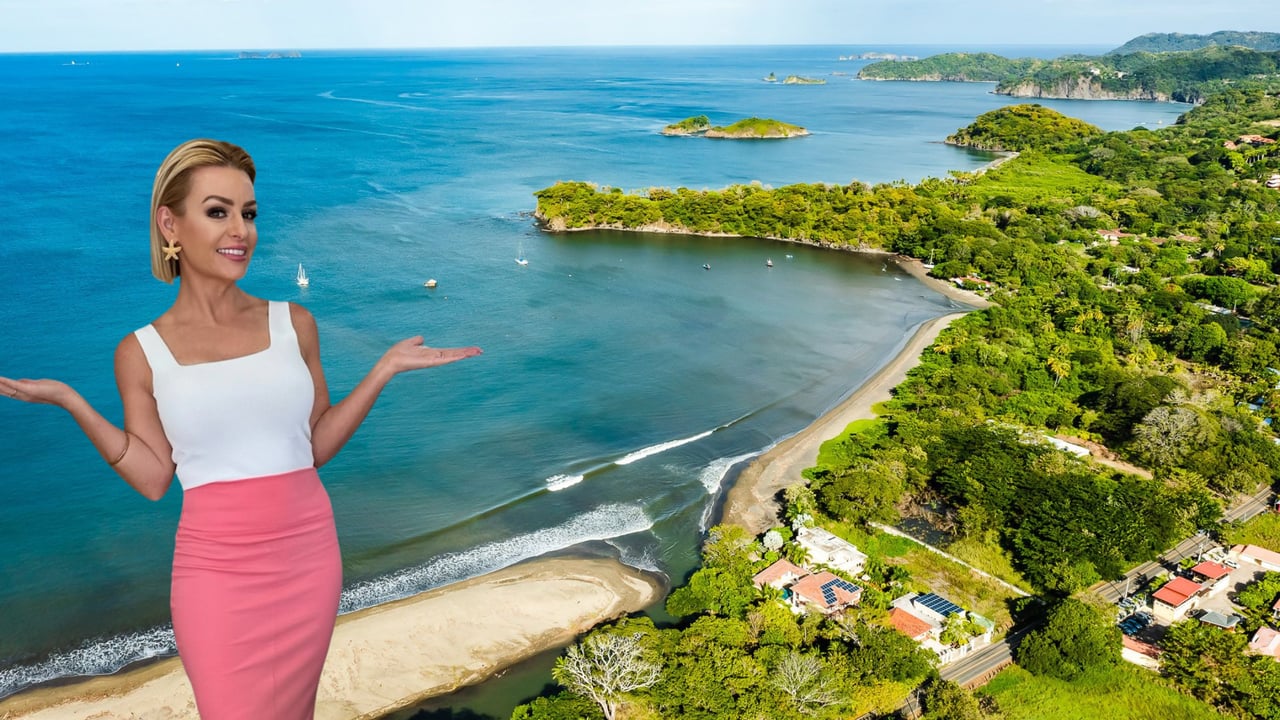
From Liberia, most of the Guanacaste coast is twenty minutes to an hour away. Playas del Coco, the Papagayo Peninsula, and the resorts up there — Andaz, Planet Hollywood, Four Seasons — are all a short drive.
The one legitimate exception: if you are on a tour that covers all of Costa Rica, flying into or out of San José (or in one and out the other) can make real sense. Otherwise, if the beaches are the trip, fly into Liberia.
3. US Dollars Are Accepted Everywhere
Do not stress about getting Costa Rican colónes before you arrive. US dollars are accepted essentially everywhere in the tourist areas.
For our Canadian visitors, this one matters more: the Canadian dollar is not accepted here. You will need to bring US dollars or exchange into colónes once you arrive.
4. So Are Credit Cards
Credit cards are widely accepted, and more widely than most visitors expect. I can buy a pack of gum at the supermarket with a card and nobody thinks twice about it.
That means you do not need to carry much cash. Restaurants, grocery stores, and shops nearly all take cards.
Where you will want cash: the beach. The massage on the sand, the ice cream vendor, the tent rental — those are cash transactions. Keep some on hand for beach days and you are covered.
5. Where to Stay: Rental Home or Hotel
An Airbnb-style rental home gives you the live-like-a-local experience, and I recommend it for most trips.
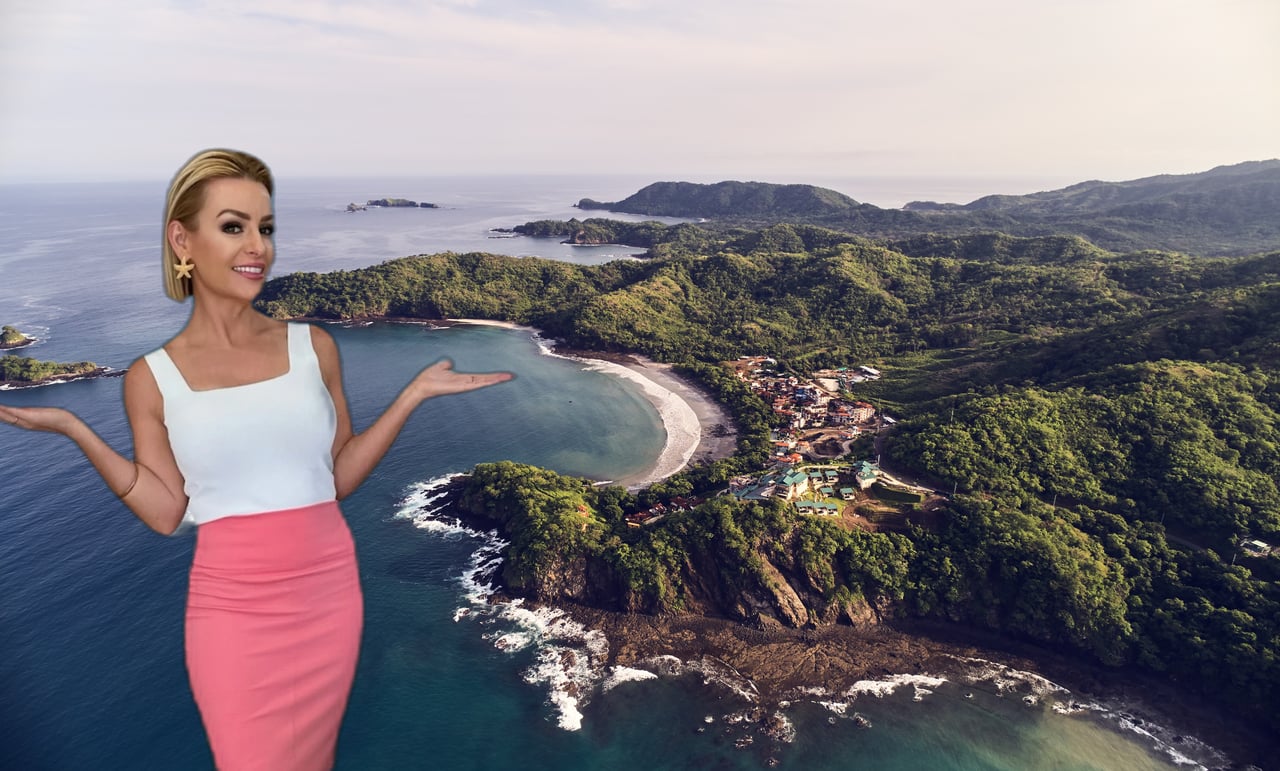
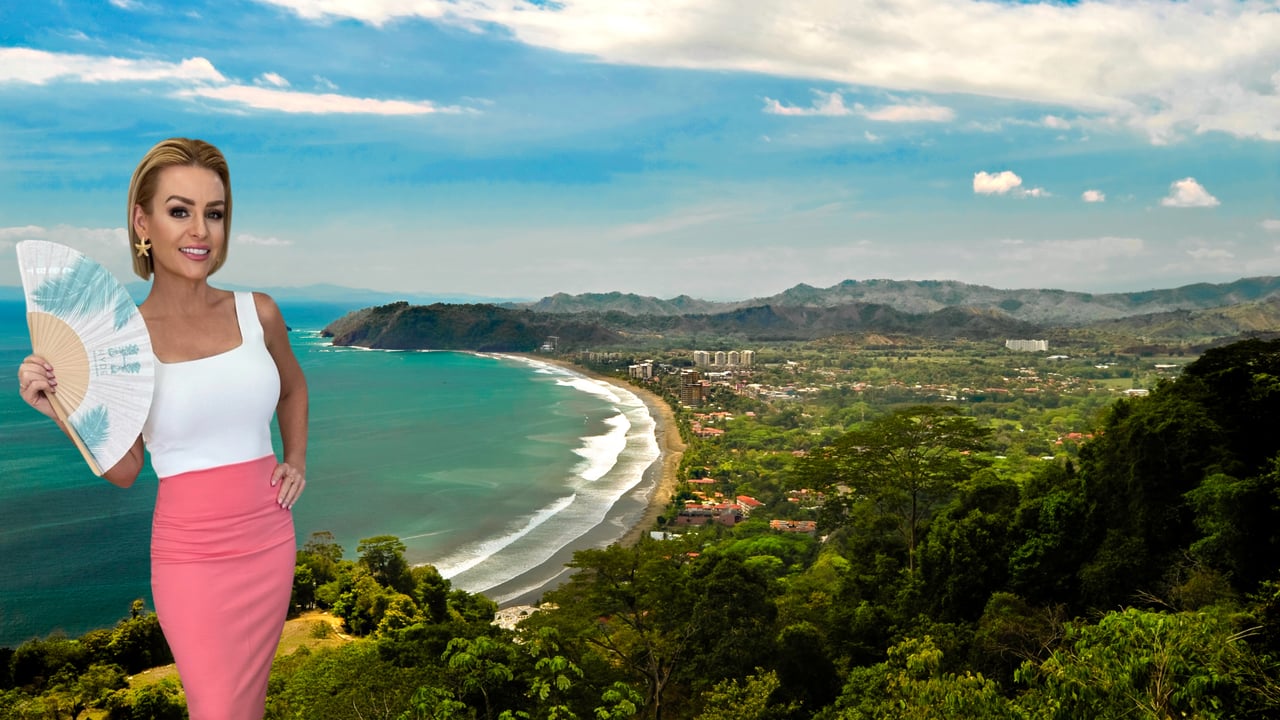
Which town depends on what you want. Tamarindo if you want to be where the action is — coffee shops, bars, restaurants, plenty going on. Playas del Coco also has a lot happening. If you want something more tranquilo, Playa Potrero and Playa Grande are excellent. And for an upscale stay, Flamingo with its marina is hard to beat.
All of these towns have rental inventory, and yes, shameless plug: KRAIN Property Management and Vacation Rentals has homes across them. We have VIP clients who stay in a different KRAIN home in a different beach town every year they come down.
That said — if you are a hotel person who wants daily housekeeping and a breakfast you did not have to make, I completely understand, and there is no shortage of excellent hotels in every one of these towns.
If you are still deciding between towns, our full guide to the best beach towns in Guanacaste breaks down eight of them and who each one actually suits.
6. Rent a Car or a Golf Cart — and Make It Four-Wheel Drive
If you are staying in town, you can get by on a golf cart. If you want to explore other beach towns, rent a car.
And if you rent a car, make it four-wheel drive. Trust me on this one. Some roads here genuinely go through rivers. We have clients who turn around convinced the GPS has failed them because it is routing them into water — and no, that is exactly the way you are supposed to go. The roads can be rough.
If you skip the rental entirely, or go with a golf cart and want to do day trips, book excursions that include pickup and drop-off. Almost all of them offer it, and it is a genuinely convenient option.
7. Do Not Skip the Day Excursions
You are going to love your house or hotel. You will love the pool, the ocean, the restaurants, and the beach massage — highly recommended. All of that will be part of your trip.
But the day excursions are what you actually remember. They push you slightly outside your comfort level, and those are the moments that stick.
A few that are consistently popular here:
Diamante Eco Adventure Park. Zip lining on one side, an animal sanctuary on the other. You can check off the toucans and the sloths and most of what you were hoping to see in Costa Rica, plus a butterfly exhibit. It is the largest animal sanctuary in Guanacaste, built in partnership with La Paz Waterfall Gardens, and the animals are rescues placed there through the Costa Rican wildlife ministry.
Waterfall hikes. Wherever you are in Costa Rica, there will be options. Look up what is near you.
ATV tours. Another regional favorite.
Sunset catamaran cruise. My personal favorite. They leave from each of the beach towns. Food and drinks are typically included, they serve a substantial late lunch, and you can snorkel and kayak before catching the sunset on the way back. You often see wildlife, sometimes dolphins. It can be genuinely spectacular.
8. Download a Tide App the Day You Arrive
This is the tip I give every friend and family member, and the one they thank me for later.
As soon as you land, download My Tide Times. When you open it, it will show the nearest tidal stations. Your specific beach probably will not be listed — select Puntarenas, the nearest station on this coast, and you will get low and high tide for each day.
We get two high tides and two low tides daily. At high tide, walking the beach can be difficult. Low tide is my favorite — the beach opens up, the tide pools appear, and it is simply a more beautiful time to be out there.
If you get a low tide in the morning or near sunset, build your day around it.
9. Get Up for Sunrise
Everyone plans for sunset. Almost nobody plans for sunrise, and they are missing something.
The sun comes up around 5:30 a.m. here, year-round. If you are a morning person, be ready for it. It is the most tranquil part of the day — low heat, birds everywhere, surfers already in the water.
A sunrise that lands on a low tide is about as good as this coast gets.
10. Plan for an Early Sunset
This one catches people off guard constantly. Visitors get ready for sunset at eight thirty or nine at night, the way they would at home in the summer.
Not here. Sunset starts around 5:30 p.m. and is usually finished by 6:30. Costa Rica sits close to the equator, so the days run about twelve hours all year and the timing barely shifts between seasons.
Plan accordingly — an early dinner, or cocktails timed so you are in position for the light show.
In the dry season, with no clouds in the sky, you get the clean drop of the sun straight into the water. But my favorite sunsets are actually in green season, roughly May through September, when there are clouds to catch the color. Keep an eye out for them and honor that hour. And again: low tide plus sunset is a spectacular combination.
Planning a Trip — or Something Longer?
Most of these tips exist because we watch visitors learn them the hard way, one trip at a time. And a fair number of those visitors eventually stop asking how to plan a vacation here and start asking what it would take to stay.
Contact KRAIN if you want help with either. We arrange excursions and rental stays for clients all day, every day, and we work across the Guanacaste coast on the real estate side as well. Either way, we are happy to give you the practical version.
Where To Stay in Guanacaste ?
1. Tamarindo — Where All the Action Is
Cloud Nine — Best for groups, friends' trips, and celebrations. Spacious layout with room to gather and exceptional views.
Matapalo 501 — Best for couples, remote workers, and longer stays. A more refined option with all the convenience of Tamarindo.
2. Flamingo — Upscale, Boating-Focused, and Stunning
Casa Azura — Best for families and groups who want space and amenities. The kind of villa that makes the trip feel like an event.
Flamingo Cove 10 — Best for couples who want the view. Elevated, private, and built around watching the Pacific.
3. Playa Potrero — A 1950s Beach Town Vibe
Villa Verde — Best for groups who want room to breathe. Generous indoor-outdoor living for multi-family trips.
Villa Ballena — Best for large families or groups. A peaceful retreat that captures everything we love about Potrero.
4. Playa Langosta — Tamarindo's Quieter, Upscale Side
Peninsula 29 — Best for families and couples who want luxury without the noise. The setting alone justifies the trip.
5. Playa Grande — A True Surfer's Paradise
Casa Aguila — Best for surf trips and couples. Big views, quiet at night.
Villa Brisas — Best for families and wellness-focused trips. Space to spread out and recover after the water.